.jpeg)
An immersive 14 Nights / 15 Days journey exploring the magnificent highlights of Classic India With Rishikesh.
Embark on our premium Classic India With Rishikesh. Over the course of the tour, you will explore the best destinations with our expert local guides, ensuring a seamless and enriching bespoke travel experience.
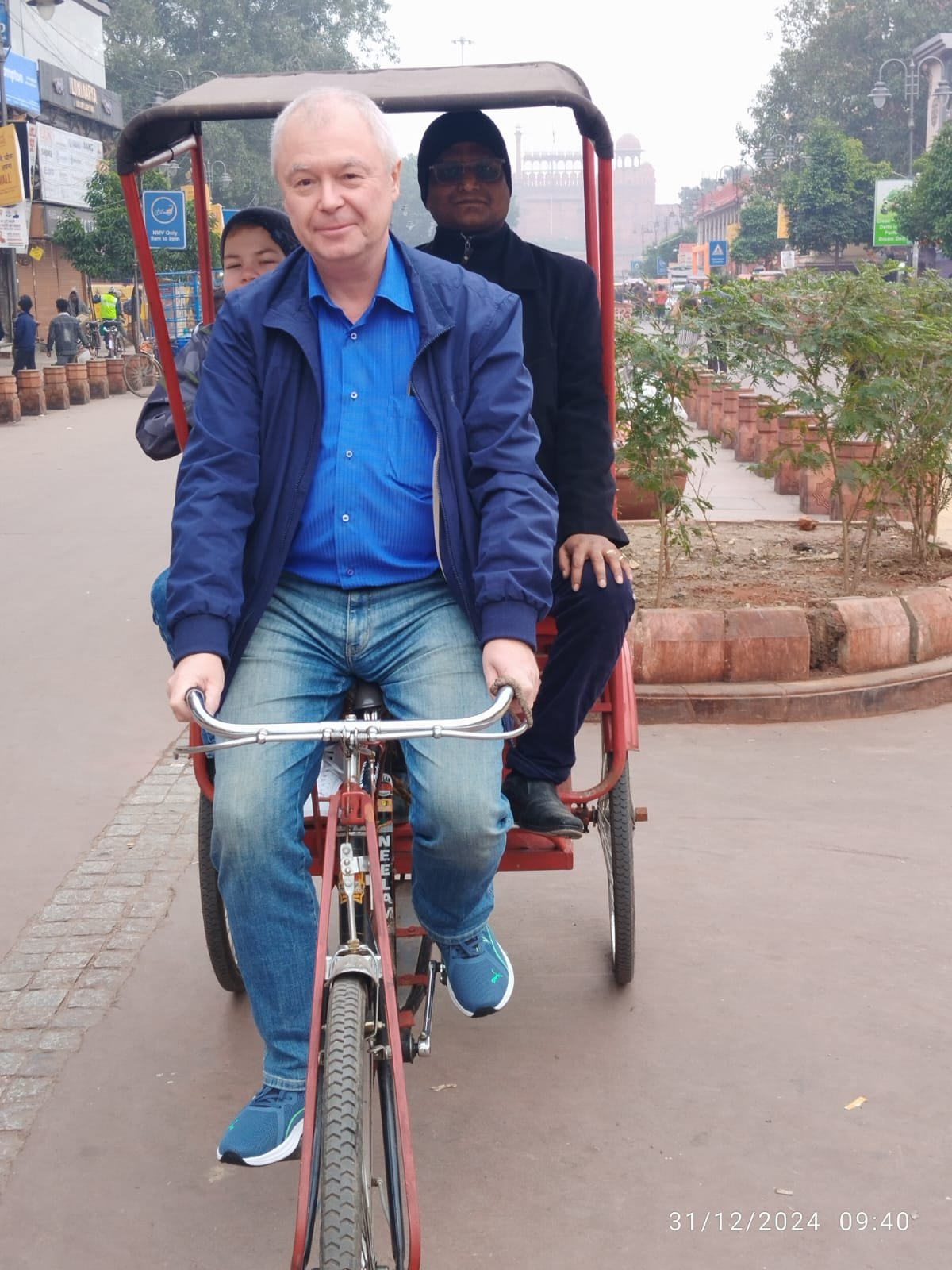
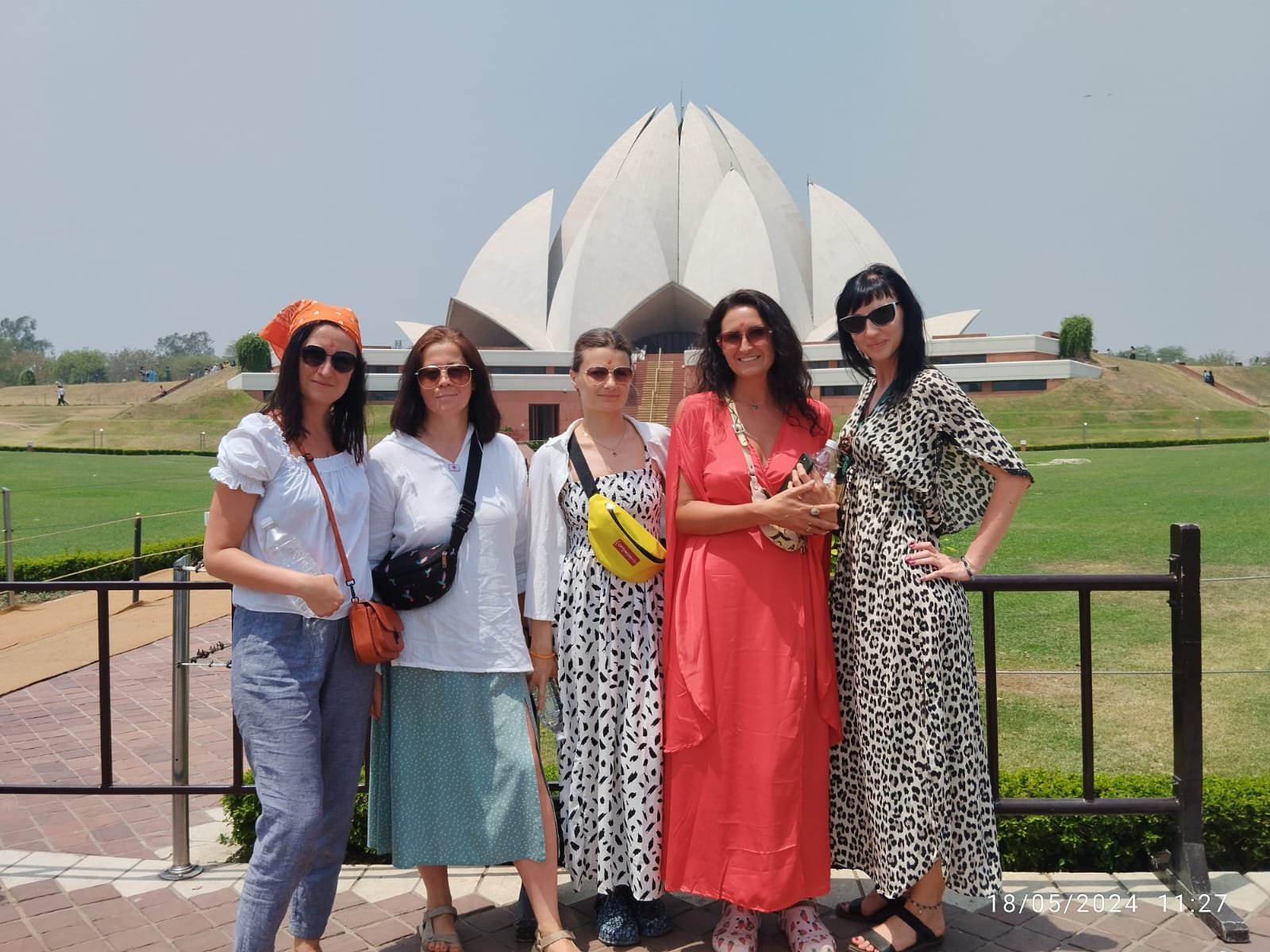
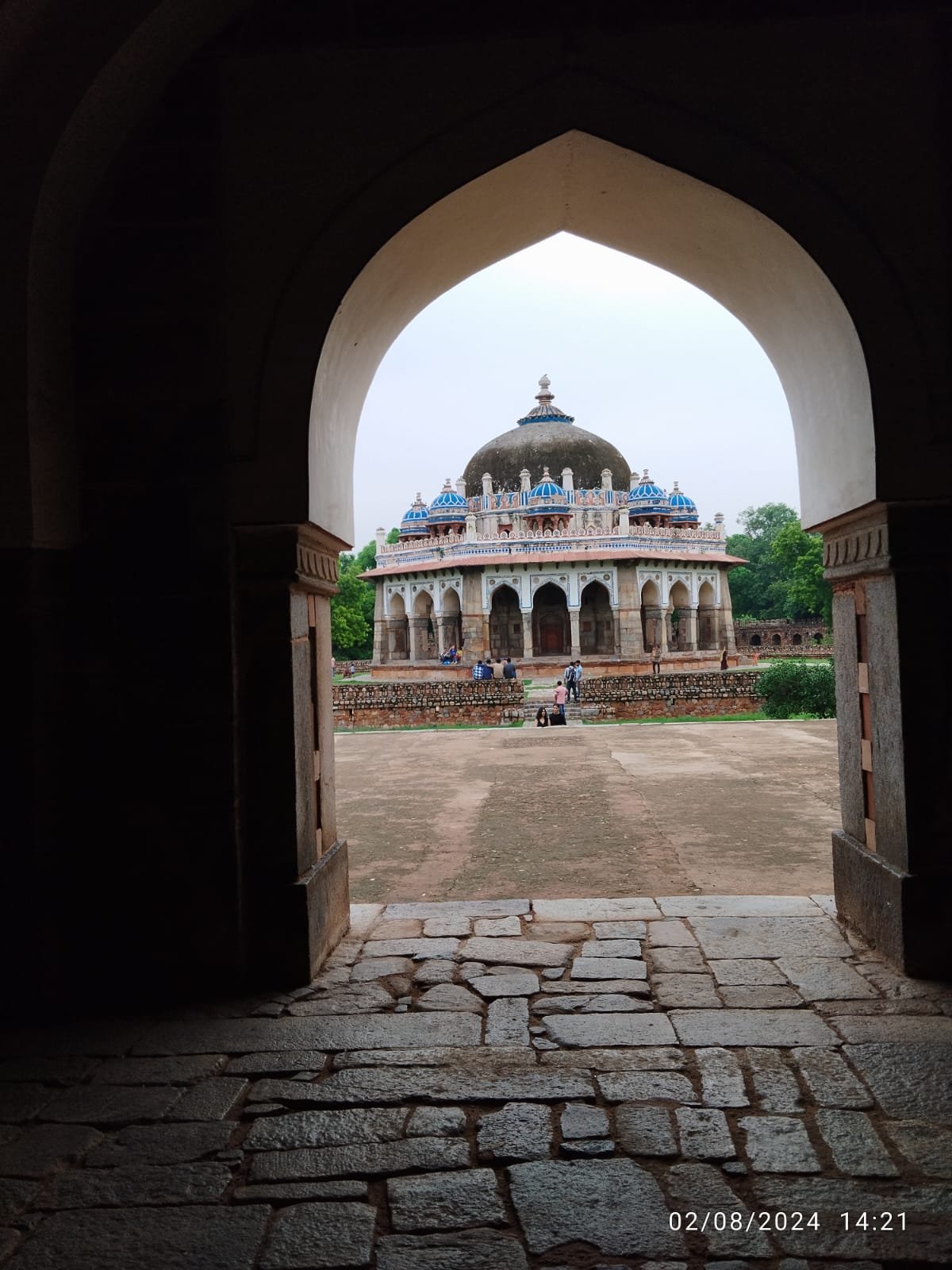
Aksardham: It's one of the largest Hindu temples in the world, showcasing stunning architecture and intricate carvings. It's dedicated to Bhagwan Swaminarayan, the founder of the Swaminarayan sect of Hinduism Temple India Gate: India Gate is a 42 meters high stone arch of triumph. It bears the name of the 85,000 Indian Army Soldiers who died in the campaigns of World War I. Below the arch is the memorial to the unknown soldier. India Gate is surrounded by green grass lawns and trees. A place you should not miss. The Lotus Temple: Lotus Temple or the Bahai temple completed in 1986. Any adherents of any faith are free to visit the temple and pray or meditate silently according to their own religion. The structure is in lotus shape so it often called the lotus temple. Visit President's House and Parliament House. Agrasen Ki Baoli (also known as behens Ki Baoli; transl. Baoli of Agrasen is a 60-meter long and 15-meter wide historical Stepwell in New Delhi Qutub Minar: 72.5 meters (238 feet) tall, making it the tallest brick minaret in the world. A blend of Islamic and Indian architectural styles, built with red sandstone and marble. Constructed in 1199 by Qutb-ud-din Aibak, with additions made by Iltutmish and Firoz Shah Tughlaq.
Overnight at hotel
After breakfast leave by surface to On arrival Jaipur check in at hotel.
Overnight at hotel
After breakfast visit Amber Fort with an Elephant ride. Amer Fort :- Amer Fort was made by Raja Man Singh I. Amer Fort is known for its artistic style, blending both Hindu Rajput elements. The fort with its large ramparts, series of gates and cobbled paths, The aesthetic ambiance of this formidable fort is seen within its walls on a four level (each with a courtyard) layout plan in well turned out opulent palace complex built with red sandstone and marble consisting of the Diwan-e-Aam or the "Hall of Public Audience", the Diwan-e-Khas or the "Hall of Private Audience", the Sheesh Mahal (mirror palace) or Jai Mandir, and the Sukh Niwas where a cool climate is artificially created by winds that blow over the water cascade within the palace. The palace was lived in by the Rajput Maharajas and their families. Hawa Mahal It was built in 1799 by Maharaja Sawai Pratap Singh, and designed by Lal Chand Ustad in the form of the crown of Krishna, the Hindu god. Its unique five-storey exterior is also akin to the honeycomb of the beehive with its 953 small windows called jharokhas that are decorated with intricate latticework. The original intention of the lattice was to allow royal ladies to observe everyday life in the street below without being seen, since they had to observe strict "purdah" (face cover). Also visit City Palace and Observatory.
Overnight at hotel
After breakfast leave by surface to Agra. Enroute visit Galta Ji & Abhaneri. On arrival Agra, check in at hotel.
Overnight at hotel
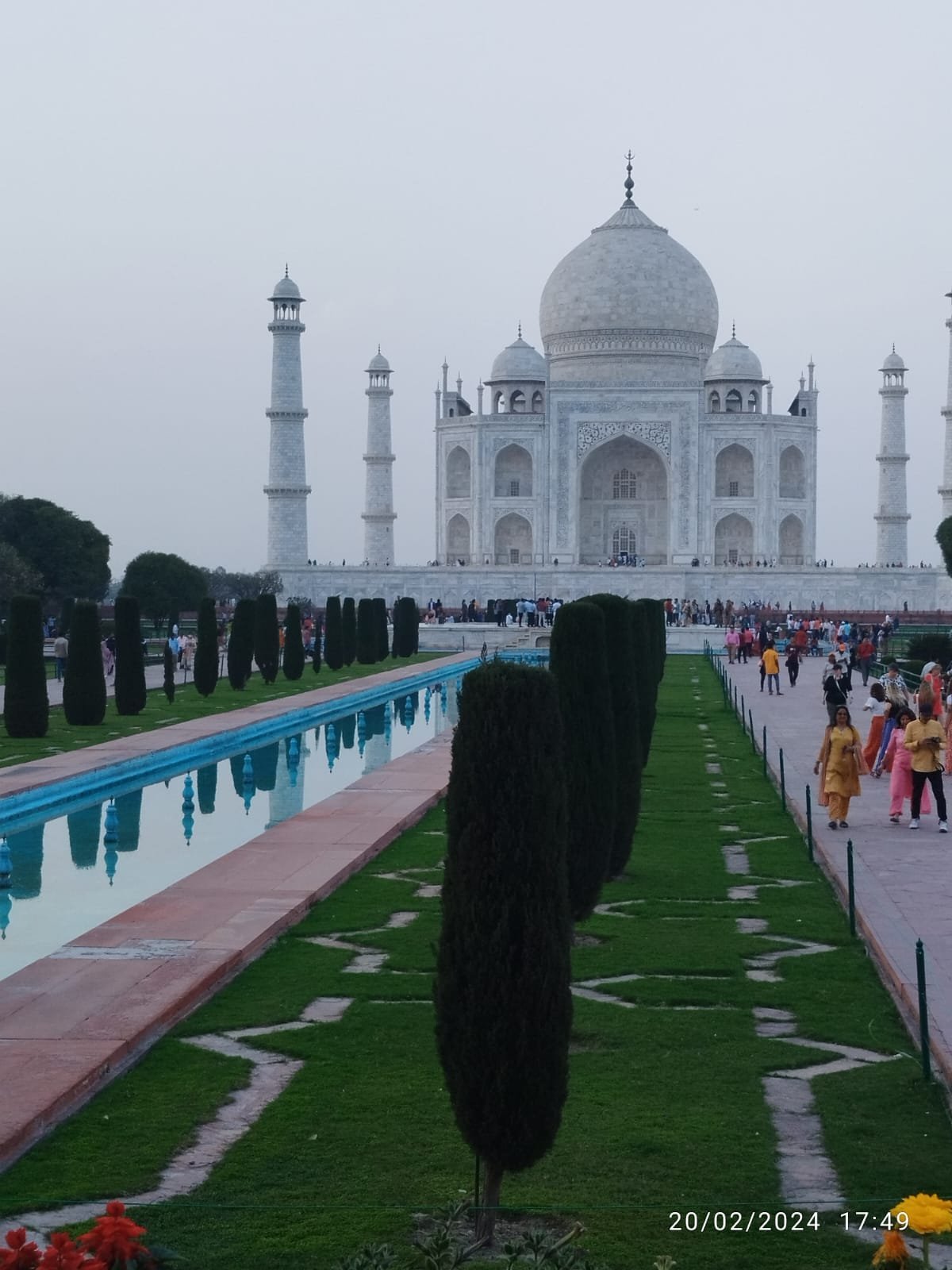
After breakfast visit Taj Mahal and Agra Fort. Taj Mahal: The Taj Mahal was built by Mughal emperor Shah Jahan in memory of his third wife, Mumtaz Mahal. The Taj Mahal is widely recognized as "the jewel of Muslim art in India and one of the universally admired masterpieces of the world's heritage. The construction began around 1632 and was completed around 1653, The main architect of Taj Mahal is Ustad Ahmad Lahori. Red Fort: Agra Red Fort was designed and built by the great Mughal ruler, Akbar, in about 1565 A.D. It was initially built as a military establishment but later on his successors made many additions to the main structure. Several Mahals, which were built afterwards, converted half of the structure into a magnificent palace. The Red Fort is situated in Agra, on the banks of Yamuna River. Visit Itimad-ud-Daulah. The tomb of Itimad-ud-Daulah marked a significant departure from the Mughal style of architecture. It best exemplifies Islamic style of architecture. It is one of the first tombs to be built in marble. Built on the banks of River Yamuna, the designs and patterns of the mausoleum were later used in building the Taj Mahal. It is known as Red Fort because it is built of a kind of red sandstone. Free time for shopping.
Overnight at hotel
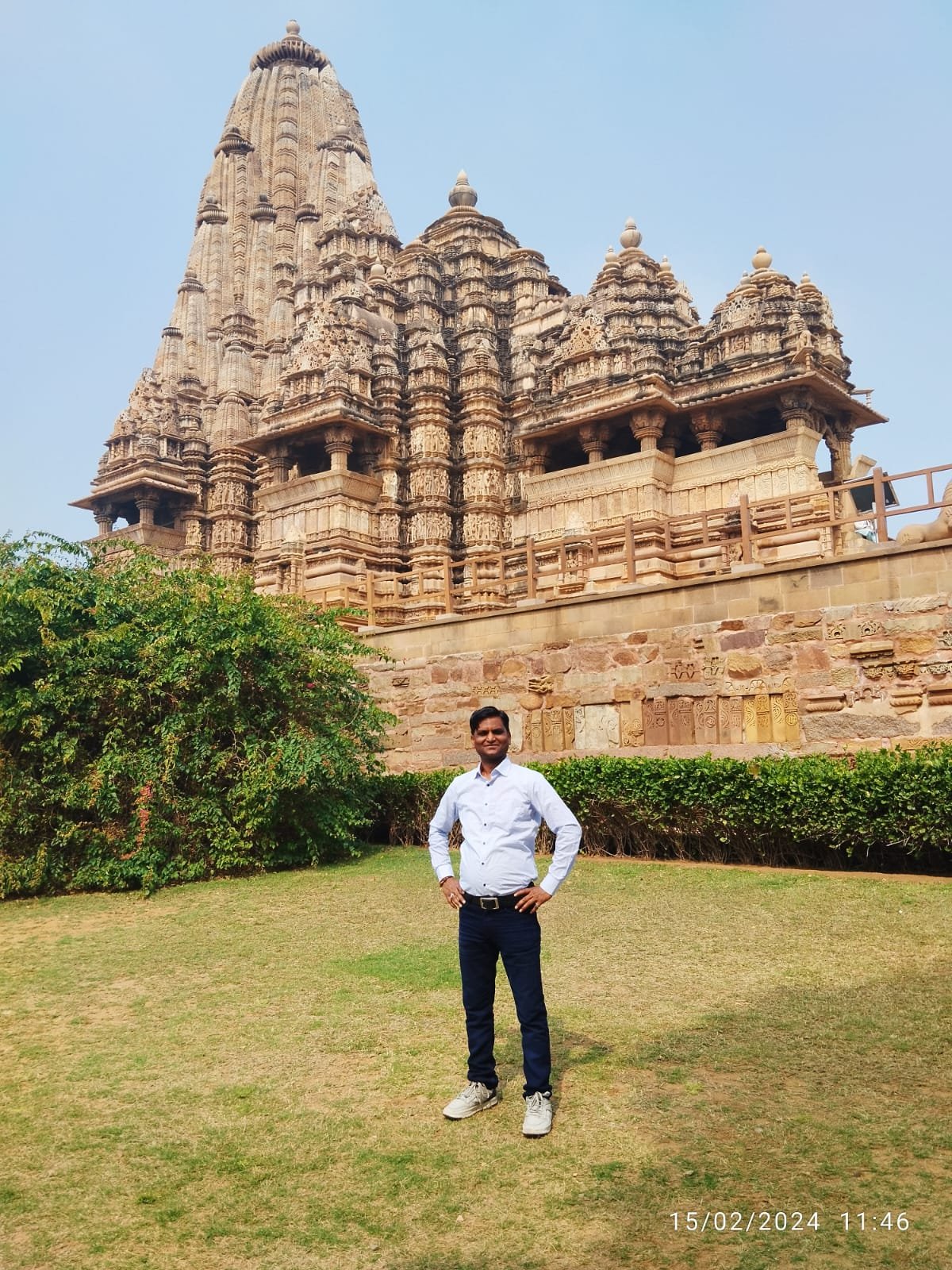
After early breakfast transfer to Agra Cantt railway station to board train to Khajuraho at 08:10 hrs and arrives Khajuraho On arrival meet and drive to Khajuraho. The Western Group of Temples: There are several temples are in this group. Most popular and famous is Kandhariya Mahadev Temple - The largest and most typical Khajuraho temple it includes about 900 statues and is dedicated to Lord Shiva. One can also visit Chusath Yogini Temple dedicated to Goddess Kali, Chitragupta Temple, Laxmana Temple etc. & Eastern and Western Temple. The Eastern group of Temples: In this group, mostly are Jain temples. Parsvanatha Temple, Ghantai Temple: A Jain temple, it describes in sculpture the 16 dreams of Mahavira's mother, and a multi-armed Jain goddess perched on a winged Garuda. Adinatha Temple: Dedicated to the Jain saint, Adinatha, the temple is gorgeously adorned with sculptures of yakshis.
Overnight at hotel
After breakfast proceed to visit Raneh Fall. 20 kilometers from Khajuraho, in the Chhatarpur district of Madhya Pradesh. A 5-kilometer-long canyon with pure crystalline granite in shades of pink, red, and grey, created by the Ken River. A series of waterfalls cascading down the canyon, surrounded by stunning rock formations.
Overnight at hotel
After breakfast transfer to airport to connect flight to Varanasi. Arrive Varanasi.. Varanasi: Varanasi also commonly known as Banaras or Benaras and Kashi, is a city situated on the banks of the River Ganges. It is regarded as a holy city by Hindus, Buddhists and Jains. It is one of the oldest continuously inhabited cities in the world and the oldest in India. On arrival Varanasi, meet and transfer to hotel. Evening witness of Ganga Aarti. Dashashwamedh Ghat is the main ghat in Varanasi on the Ganges River. It is located close to "Vishwanath Temple" and is probably the most spectacular ghat. Two Hindu mythologies are associated with it: According to one, Lord Brahma created it to welcome Lord Shiva. According to another legend, Lord Brahma sacrificed ten horses during Dasa -Ashwamedha yajna performed here. A group of priests daily in the evening at this ghat perform "Agni Pooja" (Worship to Fire) wherein a dedication is made to Lord Shiva, River Ganga (the Ganges), Surya (Sun), Agni (Fire), and the whole universe.
Overnight at hotel
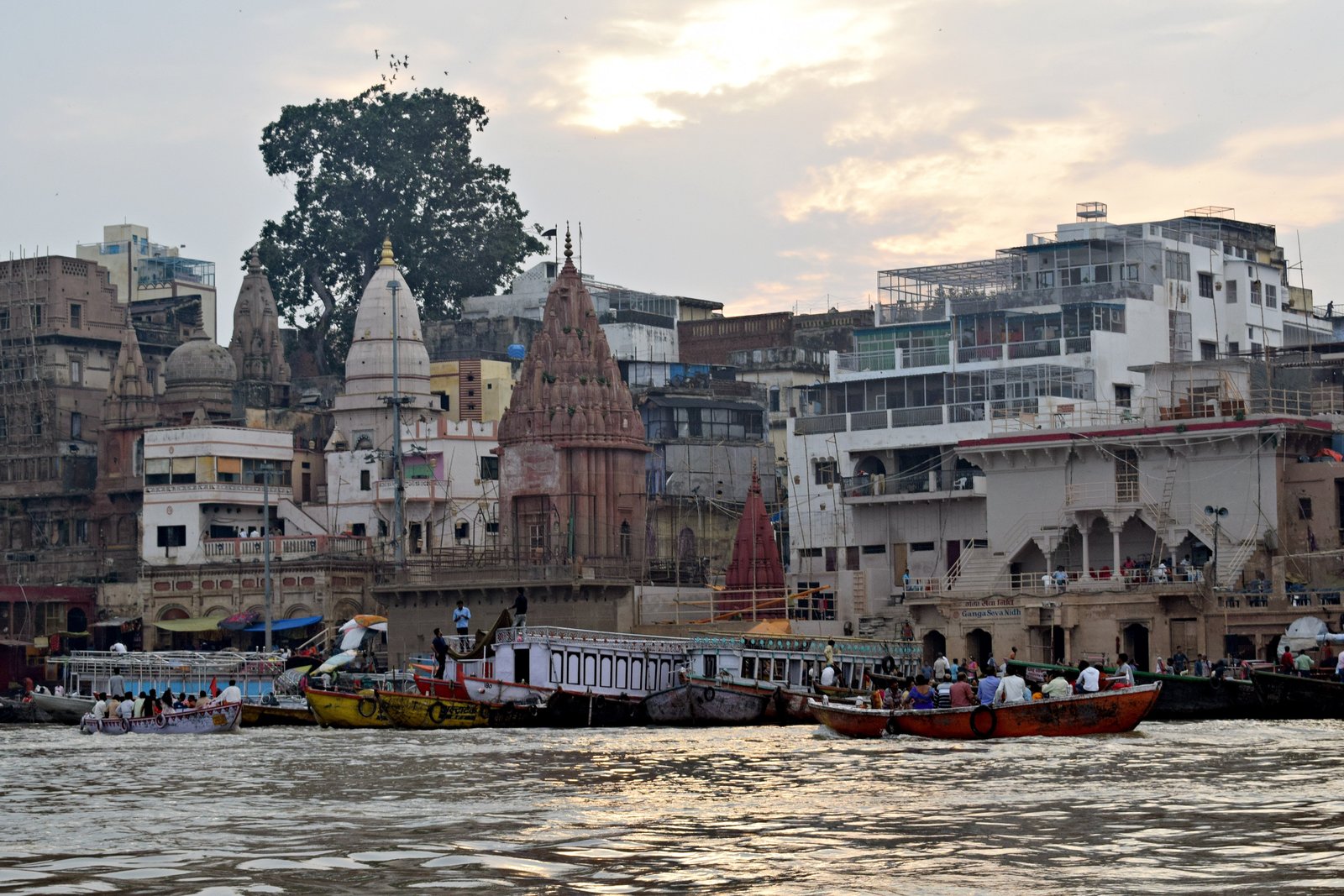
Early morning boat ride on river Ganges. Varanasi has nearly 100 ghats, steps leading to the banks of River Ganges. Many of the ghats were built when the city was under Maratha control. Marathas, Shindes (Scindias), Holkars, Bhonsles, and Peshwes (Peshwas) stand out as patrons of present-day Varanasi. Most of the ghats are bathing ghats, while others are used as cremation sites. Many ghats are associated with legends or mythologies while many ghats are privately owned. The former Kashi Naresh owns Shivala or Kali ghat. Morning boat ride on the Ganges across the ghats is a popular visitors attraction. After the boat ride you will walk through narrow lanes and visit Kshi Vishwanath Temple (Golden Temple) - Kashi Vishwanath Temple is one of the most famous Hindu temples dedicated to Lord Shiva, the holiest existing place of Hindus, where at least once in life a Hindu is expected to do pilgrimage, and if possible, also pour the remains of cremated ancestors on the River Ganges. The temple stands on the western bank of the holy river Ganges, and is one of the twelve Jyotirlingas, the holiest of Shiva temples. The main deity is known by the name Vishwanatha or Vishweshwara meaning Ruler of the universe. The temple town, which claims to be the oldest living city in the world, with 3500 years of documented history, is also called Kashi and hence the temple is popularly called Kashi Vishwanath Temple. There after return to hotel for breakfast. After breakfast Varanasi city sightseeing. Visit Mother India Temple - The temple is located in the Mahatma Gandhi Kashi Vidyapeeth campus in Varanasi. The temple houses a marble idol of Bharat Mata along with a marble relief map of India. The Temple, a gift from the nationalists Babu Shiv Prasad Gupta and Durga Prasad Khatri, was inaugurated by Mahatma Gandhi in 1936. Mahatma Gandhi said, "I hope this temple, which will serve as a cosmopolitan platform for people of all religions, castes, and creeds including Harijans, will go a great way in promoting religious unity, peace, and love in the country." Banaras Hindu University (commonly referred to as BHU) is a public central university located in Varanasi, established in 1916 by Pandit Madan Mohan Malviya, BHU is one of the largest residential universities in Asia, with over 20,000 students. The university's main campus spread over 1,300 acres was built on land donated by the Kashi Naresh, the hereditary ruler of Banaras. Afternoon visit Sarnath, where Lord Buddha delivered his first sermon after his enlightment with his five friends in 6th century BC. Sarnath is also known as the birth place of Buddhism.
Overnight at hotel
After breakfast proceed to visit The Swarved Mahamandir, also known as the Temple of Spirituality, is a modern architectural marvel located in Varanasi, India. This magnificent structure serves as a meditation center and a platform for spiritual growth, dedicated to the teachings of Sadguru Shri Sadafal Deoji Maharaj, the founder of Vihangam Yoga. World's Largest Meditation Center: Accommodates over 20,000 people for meditation and yoga practices. Seven-Story Superstructure: Adorned with 125 petal lotus domes and beautifully carved sandstone structures depicting Indian heritage Swarved Verses: 3,137 verses engraved on Makarana Marble, showcasing spiritual wisdom and knowledge. Research Center: Dedicated to exploring conscious entities and promoting spiritual awakening. The Swarved Mahamandir aims to promote peace, harmony, and love while nurturing spiritual growth and awakening. It provides a sanctuary for seekers from all walks of life to explore their spirituality and connect with their inner selves. Later visit weaver's village a village of local life.
Overnight at hotel
After breakfast on time departure transfer for your next journey. On Arrival Delhi meet and greet and drive to Rishikesh.
Overnight at hotel
RISHIKESH
RISHIKESH
RISHIKESH
15 день : mei hoga Depart from Rishikesh to Delhi for onwards destination. After breakfast drive to Delhi for onwards destination.
All ground transportation is provided in premium AC vehicles with vetted professional chauffeurs.
| City | 4-5* Hotels | 3-4* Hotels | Economy Hotels |
|---|---|---|---|
| Delhi | |||
| Jaipur | |||
| Agra | |||
| Khajuraho | |||
| Varanasi | |||
| Rishikesh |
| Category | 4-5* | 3-4* | Economy |
|---|---|---|---|
| Min 2 pax | |||
| Min 4 pax | |||
| SNGL suppl |
We handle every logistical detail of your journey so you can focus entirely on the experience.
Complete booking support including domestic air ticketing, Indian railway ticketing, and secure foreign currency exchange.
Dedicated representatives in Delhi, Agra, Jaipur, Varanasi, Khajuraho, and Mumbai to ensure a smooth arrival in your language.
Reliable point-to-point transportation across India from all major airports and railway stations directly to your hotels, and vice versa.
All types of transportation across India, featuring luxury vehicles for local city use, extensive sightseeing, and premium pick-up/drop-off services.